
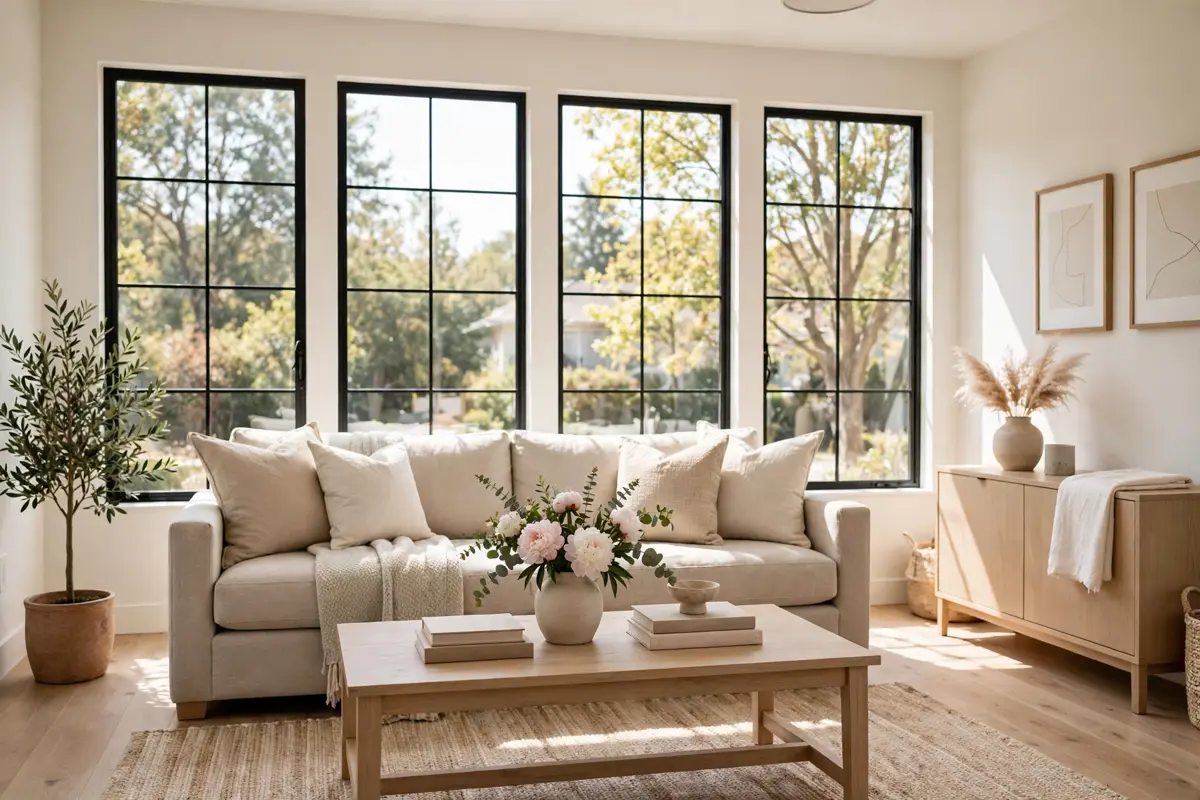
When buyers scroll through listings or step through your front door, they decide how they feel about a home within minutes. Learning how to stage your home is about shaping that first impression: clearing away the distractions of everyday life so buyers can picture their own lives in the rooms. Staging is not renovation, and it does not require a designer’s budget. It is a series of small, deliberate changes that help a property photograph better, feel bigger and sell with fewer doubts in a buyer’s mind.
Start with Decluttering and Depersonalising
Every staging project begins with subtraction. Buyers need to see the space itself — the size of the rooms, the light, the storage — and personal belongings hide all three. Pack away family photographs, collections, children’s artwork on the fridge and anything that stamps the home as unmistakably yours. The aim is a neutral backdrop that any buyer can project their own life onto.
Work room by room and be strict. Clear kitchen counters until only one or two useful items remain, thin out wardrobes so they look roomy rather than stuffed, and remove oversized furniture that makes a room feel smaller than it is. Excess belongings can go to storage, a garage or a friend’s loft for the duration of the sale. If you are also weighing up professional help with the move itself, our guide to home services and what they can handle for you explains the kinds of support available.
Deep Clean Until Everything Glistens
A spotless home signals a well-maintained home, and buyers notice the details. Clean windows inside and out so natural light pours in, scrub grout and seals in bathrooms, degrease the kitchen, and shampoo carpets or polish hard floors. Pay attention to smells, too: a home that smells of pets, cooking or damp puts buyers on alert even if they cannot say why. Open windows before viewings, empty bins, and avoid heavy air fresheners, which can suggest you are hiding something.
While you clean, make a list of the small repairs you have been ignoring. Dripping taps, stiff doors, cracked tiles, peeling paint and blown light bulbs are all cheap to fix, yet each one whispers “deferred maintenance” to a buyer. A weekend of minor repairs is one of the highest-return steps in how to stage your home well.
Use Light, Layout and Neutral Colour
Light sells rooms. Pull curtains wide, raise blinds, and trim back any plants blocking windows. In darker rooms, add lamps at different heights and switch to warm, bright bulbs so every corner feels welcoming during evening viewings. Mirrors placed opposite windows bounce light around and make smaller rooms feel larger.
Layout matters just as much. Arrange furniture to show how a room is meant to be used, with clear walking paths and no blocked doorways. A spare room that has become a dumping ground should be dressed as a bedroom, study or nursery so buyers understand its purpose. Colour is the final layer: if any room is painted in a strong personal colour, a fresh coat in a soft neutral tone helps it appeal to the widest audience and photographs far better online. For ideas on how presentation shapes a buyer’s decision, see our complete guide to real estate in Elanora and what makes listings stand out.
Stage the Rooms That Decide the Sale
Not every room carries equal weight. The living room, kitchen and main bedroom usually decide whether a buyer falls for a home, so give them the most attention. In the living room, define a focal point — a fireplace, a window view or a neatly styled sofa arrangement. In the kitchen, style counters sparingly with a bowl of fruit or a cookbook on a stand, and make sure appliances gleam. In the main bedroom, use fresh neutral bedding, plump pillows and clear bedside tables with a lamp each, so the room feels like a calm retreat.
Bathrooms benefit from hotel touches: rolled white towels, a small plant, new soap and a clear counter. Hallways and entrances set the tone before a buyer sees anything else, so keep them empty of coats and shoes, and add a mirror or a piece of simple artwork. Do not forget the outside. Kerb appeal frames every judgement that follows, so mow the lawn, sweep the path, clean the front door, and add a healthy pot plant or two by the entrance.
Staging on a Budget: Where to Spend, Where to Save
Good staging is mostly effort, not money. The highest-impact steps in this guide — decluttering, deep cleaning, fixing minor repairs, rearranging furniture — cost little beyond time and a few basic supplies. If you do spend, spend where buyers look hardest: fresh neutral paint for the most dated room, new bedding for the main bedroom, bright bulbs throughout, and a professional carpet clean if floors are tired. These are modest outlays that change how the whole home feels.
Save money by borrowing rather than buying. A neighbour’s ladder, a friend’s pressure washer or a relative’s spare plants can all serve a purpose for a few weeks. Renting a small storage unit for the sale period is often cheaper than the price reduction a cluttered home invites. Professional stagers exist for higher-value or hard-to-sell homes, and their furniture rental can transform an empty property, but for most sellers the honest answer to how to stage your home on a budget is simple: clean it thoroughly, empty it generously, light it well, and let the rooms speak for themselves.
Finishing Touches for Photos and Viewings
Most buyers meet your home first in photographs, so stage for the camera before the listing goes live. Photograph in daylight, turn on lamps for warmth, hide cables, bins and pet bowls, and make every bed. Small lifestyle touches — a set dining table, a throw over a sofa arm, fresh flowers on a table — help buyers imagine living there without tipping into clutter.
Before each viewing, run a short routine: open windows briefly for fresh air, switch on lamps, put toilet seats down, empty the kitchen bin and take pets out if you can. Knowing how to stage your home is really about seeing it through a stranger’s eyes and removing every small reason to hesitate. Do it room by room, keep it simple and neutral, and you give your property the best possible chance of a faster sale at a stronger price.