

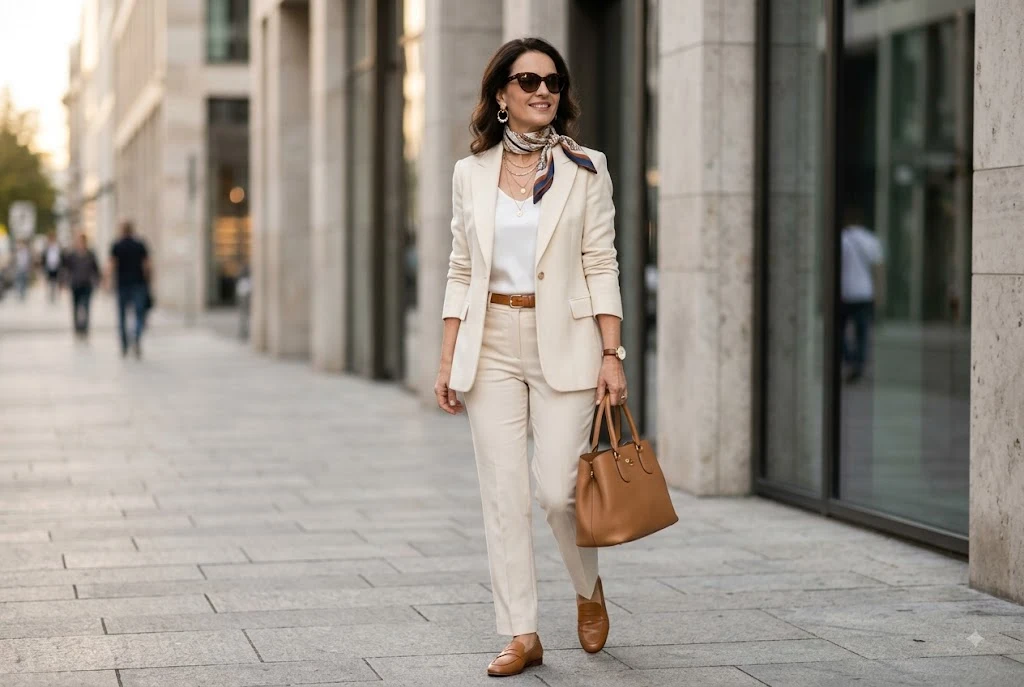
A great outfit is not always about buying more clothes. Often, the right accessories can completely change how an existing wardrobe looks and feels. A simple outfit can become polished with a structured bag, more expressive with statement jewelry, or instantly more refined with the right belt, sunglasses, scarf, or shoes.
From everyday essentials to statement-making pieces, this guide covers the accessories worth considering when you want to make your outfits look more intentional without completely rebuilding your wardrobe.
Why Accessories Matter So Much
Accessories can change the visual balance of an outfit without changing its foundation. A basic white shirt and jeans can feel casual with sneakers and a canvas tote, polished with loafers and a structured handbag, or more expressive with layered necklaces and a colorful scarf.
This versatility makes accessories particularly useful for building a practical wardrobe. Instead of purchasing a completely new outfit for every occasion, you can use smaller pieces to create different looks from clothing you already own.
Current fashion styling also continues to emphasize this idea. Recent runway and street-style coverage has highlighted scarves, statement belts, bags, sunglasses, jewelry, hats, and distinctive footwear as easy ways to refresh familiar wardrobe pieces.
15 Accessories That Can Elevate Your Outfit
1. A Structured Handbag
A structured handbag is one of the easiest ways to make an outfit appear more polished. Its shape creates visual definition and can balance softer or more relaxed clothing.
For everyday versatility, consider a medium-sized bag in a neutral shade such as black, brown, tan, cream, or burgundy. A structured bag can work with jeans and a sweater just as effectively as it can with tailored trousers or a simple dress.
If your outfit already contains strong patterns or colors, a simple bag can provide balance. If the clothing is mostly neutral, a distinctive bag can become the focal point.
2. Statement Earrings
Earrings can transform an outfit while requiring very little styling effort. Large hoops, sculptural earrings, colorful drops, and geometric designs can immediately draw attention toward the face.
For a minimalist outfit, statement earrings can provide the visual interest that the clothing lacks. With a highly detailed outfit, smaller earrings may create a more balanced result.
When choosing statement earrings, consider your neckline and hairstyle. An open neckline and pulled-back hair can give larger earrings more space to stand out.
3. Layered Necklaces
Layered necklaces are useful when you want to add detail to a simple top, tank, shirt, or dress. Combining different chain lengths creates depth and gives a plain neckline more visual interest.
You can combine delicate chains for a subtle effect or mix pendants and different textures for a stronger statement. The key is to create intentional variation rather than simply stacking every necklace you own.
Layered necklaces remain a prominent styling direction in current fashion coverage, with recent runway looks emphasizing stacked necklaces as an easy way to add personality to otherwise simple outfits.
4. A Classic Leather Belt
A belt can do much more than hold trousers in place. It can define the waist, break up a monochromatic outfit, add structure to an oversized silhouette, and introduce another texture to the overall look.
A classic leather belt in black or brown is an excellent starting point because it works across many outfits. For a more expressive wardrobe, consider woven textures, unusual buckles, chain details, or decorative finishes.
Recent fashion coverage has also treated belts as statement accessories rather than purely functional items, with tassel, chain, and decorative styles appearing prominently in contemporary styling.
5. Silk Scarves
A silk scarf is one of the most versatile accessories you can own. You can wear it around your neck, tie it to a handbag, wrap it around your wrist, use it as a head accessory, or style it around the waist.
Its biggest advantage is flexibility. A colorful scarf can add contrast to neutral clothing, while a neutral scarf can soften a bold outfit.
Recent 2026 styling coverage has placed particular emphasis on silk scarves, showing them worn around the neck, across the shoulders, at the waist, and in other creative configurations.
6. Stylish Sunglasses
Sunglasses can instantly give an outfit a more finished appearance while also serving a practical purpose. The right frame can influence the overall character of your look, from classic and understated to sporty, retro, or futuristic.
When choosing sunglasses, pay attention to your face shape, personal style, and the proportions of the frame. You do not necessarily need the trendiest shape; you need a style that works naturally with your wardrobe.
Wraparound and shield-inspired sunglasses have remained visible in recent fashion coverage, particularly for people looking for a more modern or futuristic accessory.
7. Classic Watches
A watch can add subtle sophistication without overwhelming the rest of an outfit. A minimalist leather-strap watch works particularly well with professional and smart-casual clothing, while a metal bracelet can create a more polished appearance.
The best everyday watch is one that fits your lifestyle and complements the colors and materials you commonly wear.
For a refined look, avoid matching every accessory perfectly. A watch can coordinate with other metals without requiring an exact match across the entire outfit.
8. Statement Rings
Rings offer another way to introduce personality without changing your entire outfit. A single oversized ring can act as a focal point, while several smaller rings can create a layered effect.
Think about proportion when styling rings. If you are already wearing large earrings and a bold necklace, a simpler ring may keep the overall appearance balanced.
9. Polished Loafers
Shoes are technically part of the outfit foundation, but they can also function as powerful accessories. A pair of polished loafers can make jeans look more refined, while a statement pair can add personality to an otherwise simple outfit.
Loafers are especially useful because they bridge the gap between casual and formal dressing. They can work with trousers, denim, skirts, dresses, and tailored shorts depending on the design.
Recent accessory coverage continues to describe loafers as versatile wardrobe pieces that can work across minimalist and more expressive styles.
10. Statement Shoes
When you want an accessory to become the main attraction, statement shoes can do the job. Consider unusual textures, sculptural shapes, bold colors, embellishments, or distinctive silhouettes.
The easiest way to style statement shoes is to keep the rest of the outfit relatively simple. A neutral outfit gives the shoes room to stand out without creating unnecessary visual competition.
Recent runway coverage has highlighted decorative footwear and unexpected shoe shapes as ways to give otherwise straightforward outfits a stronger point of view.
11. A Versatile Hat
A hat can change the mood of an outfit immediately. Depending on the style, it can make an outfit feel casual, sophisticated, sporty, artistic, or seasonal.
Try a structured hat with tailored clothing, a simple cap with casual denim, or a seasonal hat with a relaxed weekend outfit. The important consideration is proportion: the hat should complement the overall silhouette rather than compete with it.
Hats have also remained part of recent accessory styling, with fashion editors continuing to highlight them as an easy finishing touch.
12. A Brooch
Brooches are often overlooked, but they can give familiar clothing a completely different personality. Pin one to a blazer lapel, coat, cardigan, scarf, or structured bag.
A vintage-inspired brooch can create a classic feel, while a sculptural or colorful design can make a minimalist outfit more expressive.
Brooches have received renewed attention in recent fashion coverage because of their versatility. Rather than being restricted to traditional formalwear, they can be used to personalize everyday garments.
13. A Statement Bag
A statement bag can completely redirect attention within an outfit. Look for an interesting color, unusual texture, distinctive hardware, or memorable silhouette.
One effective strategy is to keep your clothing simple when carrying a highly expressive bag. A neutral outfit can provide the perfect background for a bold accessory.
On the other hand, a statement bag does not have to be brightly colored. A rich texture, unusual shape, or sophisticated burgundy shade can create a statement while remaining easy to wear.
14. Textured or Decorative Belts
Once you have a basic leather belt, experiment with accessories that introduce more texture. Woven belts, chain belts, tassel styles, beaded belts, and decorative buckles can change the personality of an outfit.
Try wearing a decorative belt with wide-leg trousers, a relaxed dress, or an oversized blazer. The belt can visually define the waist and add a deliberate styling detail.
Current accessory trends have increasingly treated belts as expressive pieces, with tassels, chains, and embellishments appearing as prominent styling details.
15. A Quality Everyday Bag
Not every accessory needs to make a dramatic statement. A reliable everyday bag can elevate an outfit simply because it looks intentional and complements the rest of your wardrobe.
Choose a bag based on your daily needs. Consider the amount you carry, the occasions you attend, the colors you wear most often, and whether you need hands-free functionality.
A well-designed everyday bag can become one of the most useful pieces in a capsule wardrobe because it can move between work, errands, travel, and casual occasions.
How to Choose Accessories for Different Outfits
The best accessory is not necessarily the most expensive or fashionable piece. It is the one that makes sense with the outfit you are wearing.
For a Casual Jeans-and-T-Shirt Outfit
Keep the base simple and introduce one or two intentional accessories. Try sunglasses, a leather belt, a structured shoulder bag, a watch, or a silk scarf.
If you want a more expressive look, add statement earrings or colorful shoes rather than layering multiple bold accessories.
For Office Outfits
Professional outfits often benefit from structured accessories. Consider a polished watch, leather belt, refined handbag, understated jewelry, and classic loafers.
Choose quality and proportion over excessive decoration. A single distinctive accessory can be more effective than several competing pieces.
For a Little Black Dress
A simple black dress provides a strong foundation for accessories. You can create a minimalist look with delicate jewelry and neutral shoes or make the outfit more dramatic with statement earrings, a colorful bag, or bold shoes.
For a Monochromatic Outfit
Accessories are especially useful with monochromatic dressing because they introduce texture, contrast, or a small amount of color.
Try a patterned scarf, contrasting handbag, statement belt, metallic jewelry, or distinctive footwear. Recent fashion styling has also emphasized using accessories as the finishing element in monochromatic looks.
For a Formal Event
Formal outfits usually benefit from accessories that complement rather than compete with the clothing. Consider refined jewelry, a small evening bag, elegant shoes, and a subtle hair or scarf accessory.
If the dress or suit already contains embellishment, reduce the number of additional statement pieces.
How to Mix and Match Accessories
Good accessory styling is largely about balance. You want the pieces to feel connected without making the outfit look overly coordinated.
Match metals thoughtfully
Gold, silver, and mixed-metal jewelry can all work. If you prefer a coordinated appearance, repeat the dominant metal in two or three places rather than matching every detail.
Use color strategically
If your outfit is mostly neutral, accessories can provide a controlled burst of color. A burgundy bag, colorful scarf, or bright shoes can become the visual anchor.
Balance proportions
Large accessories can work beautifully, but they should be considered alongside the rest of the silhouette. A large handbag may pair well with an oversized coat, while delicate jewelry can complement a simple fitted outfit.
Combine textures
Texture creates depth even when colors remain neutral. Leather, silk, metal, suede, woven materials, and knit textures can work together to make an outfit feel more sophisticated.
How Many Accessories Should You Wear?
There is no universal number. The right amount depends on the outfit, occasion, and visual impact of each piece.
A useful starting point is to choose one main accessory and then add supporting pieces. For example, if you are wearing statement earrings, you may not need a large necklace. If your shoes are highly distinctive, keep the handbag and jewelry more restrained.
Think in terms of visual hierarchy rather than counting accessories. The question is not “How many pieces am I wearing?” but “Where do I want the viewer’s attention to go?”
Accessories for a Capsule Wardrobe
Accessories can make a small wardrobe feel much larger. If you already have versatile clothing basics, carefully selected accessories can create completely different combinations.
Start with a few foundational pieces:
- A neutral everyday handbag
- A classic leather belt
- Simple everyday jewelry
- A quality watch
- Classic sunglasses
- Versatile loafers or flats
- A neutral scarf
- One statement accessory
For more ideas on building a versatile wardrobe, see how to build a capsule wardrobe. The principle is simple: choose fewer pieces that can work together in many combinations.
Accessories and Personal Style
Accessories are one of the easiest ways to communicate personality. Two people can wear the same white shirt and jeans while looking completely different because of the accessories they choose.
One person may prefer minimalist jewelry and structured leather bags. Another may choose colorful scarves, oversized sunglasses, vintage brooches, and statement shoes.
There is no requirement to follow every trend. Use fashion trends as inspiration, then adapt them to your own wardrobe, comfort level, lifestyle, and personal taste.
If you enjoy experimenting with different looks, explore street-style outfit ideas and current fashion looks for additional inspiration.
Common Accessory Styling Mistakes
Wearing Too Many Statement Pieces
Several dramatic accessories can compete for attention. Choose one focal point and allow supporting accessories to remain quieter.
Ignoring Proportion
An accessory can look completely different depending on the clothing surrounding it. Consider the scale of your bag, jewelry, shoes, and belt in relation to the outfit.
Following Trends Without Considering Your Wardrobe
A trend is only useful when you can integrate it into your existing style. Avoid buying accessories simply because they are popular if you cannot imagine wearing them with multiple outfits.
Choosing Style Over Function
An accessory should work for your lifestyle. A beautiful handbag that cannot hold what you need may remain unused, while an attractive but uncomfortable pair of shoes may not become a practical wardrobe staple.
Matching Everything Too Precisely
Your bag, shoes, belt, jewelry, and watch do not have to match perfectly. A little variation often makes an outfit look more natural and contemporary.
How to Elevate an Outfit Without Buying New Clothes
You can often create a new look simply by changing how you accessorize existing clothing.
- Start with a basic outfit you already own.
- Change the shoes.
- Add or remove a belt.
- Switch your handbag.
- Introduce a scarf or statement jewelry.
- Change your sunglasses or hat.
- Try a different combination of metal accessories.
- Take a photo and compare the versions.
This approach is particularly useful when you want your wardrobe to feel fresh without constantly purchasing new clothing.
Current Accessory Trends Worth Trying
Fashion trends change quickly, but some current directions are practical enough to adapt to everyday wardrobes.
Recent 2026 fashion coverage has emphasized silk scarves, layered necklaces, decorative belts, sculptural bangles, statement hats, shield sunglasses, slouchy bags, colorful footwear, and expressive brooches.
The important takeaway is not to copy a runway look exactly. Instead, choose one trend that works with clothes you already own. A scarf can be tied differently, a brooch can update a blazer, or a colorful shoe can refresh a neutral outfit.
Frequently Asked Questions
What accessories make an outfit look more expensive?
Structured bags, polished shoes, quality-looking belts, simple watches, refined jewelry, and well-chosen scarves can make an outfit feel more sophisticated. Good condition, appropriate proportions, and thoughtful styling often matter more than the price of the accessory.
What is the most versatile fashion accessory?
There is no single answer, but scarves, belts, structured handbags, watches, and simple jewelry can work across a wide range of outfits and occasions.
How can accessories improve a basic outfit?
Accessories can add color, texture, contrast, structure, and personality. A simple jeans-and-shirt combination can look completely different when styled with loafers and a structured bag instead of sneakers and a casual backpack.
How do I avoid over-accessorizing?
Choose one main focal accessory and keep the supporting pieces simpler. If you are wearing large earrings, for example, consider skipping a very large necklace.
Should shoes and handbags match?
They do not have to match exactly. Coordinating colors or materials can create harmony, but mixing complementary shades often creates a more modern and relaxed appearance.
Can accessories make a small wardrobe more versatile?
Yes. Accessories can change the appearance and mood of the same clothing combination, making them especially valuable in a capsule wardrobe or minimalist closet.
Final Thoughts
The right accessories can turn an ordinary outfit into one that feels considered, personal, and complete. You do not need a huge collection to make a difference. A few versatile pieces—a structured bag, quality belt, sunglasses, scarf, watch, jewelry, and reliable shoes—can create numerous styling possibilities.
When choosing accessories, focus on proportion, color, texture, functionality, and personal style. Use trends as inspiration rather than strict rules, and remember that the best accessory is one you will actually enjoy wearing.
Ultimately, accessories should make getting dressed more creative rather than more complicated. Start with the clothes you already love, add one intentional piece, and see how much a small styling change can transform the entire outfit.