

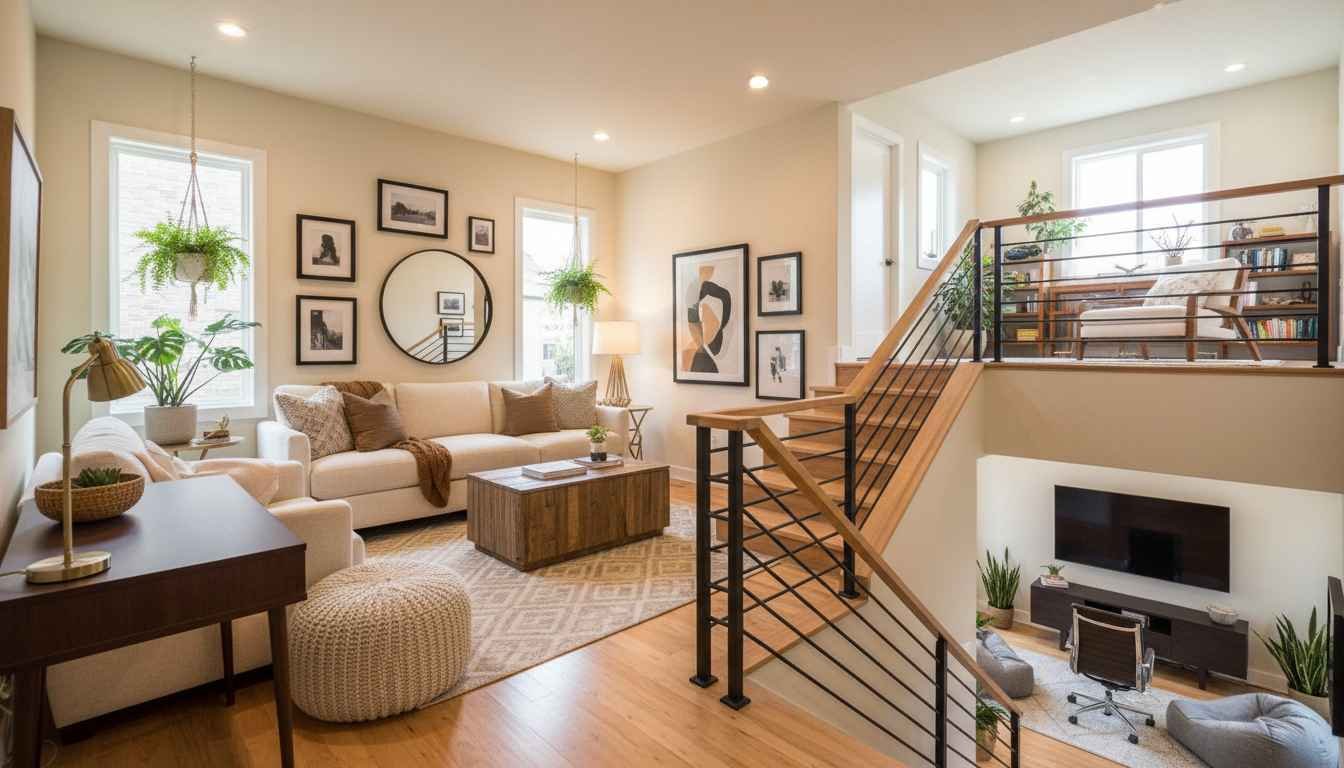
Picture walking into a sunlit tri-level home where the living room perches slightly above the entryway, the kitchen sprawls across a mid-level, and bedrooms retreat upstairs in quiet privacy. The staggered floors offer dynamic sightlines, but they also present unique decorating challenges. Without a strategic approach, furniture can feel cramped, flow may be interrupted, and colors can clash between levels.
Decorating a tri-level home requires careful planning, but it doesn’t have to break the bank. By leveraging spatial awareness, multi-functional furniture, and cohesive design choices, homeowners can transform a segmented layout into a harmonious, stylish environment. One approach is starting with a neutral palette that flows seamlessly from one level to the next. Consider soft grays or muted taupes for walls, which naturally enhance light and open space. Accents like textured pillows, rugs, or wall art can then add personality without overwhelming the layout.
Investing wisely in key furniture pieces can maximize both comfort and style. Modular seating in the living room allows for rearrangement depending on gatherings or family needs, while convertible desks in mid-level areas serve as workspace or hobby stations. Namesake offers versatile cribs and dressers that can grow with your family, perfect for allocating nursery or child-friendly zones without clutter.
Strategic Zoning for Function and Flow
Tri-level homes naturally separate spaces, which can be an advantage when zoning rooms for specific purposes. The entry level often benefits from minimal furnishings – think a bench, coat hooks, and a small console table to reduce clutter. Mid-level floors, usually encompassing the kitchen and living area, should focus on traffic flow. Avoid oversized furniture that blocks walkways; instead, select slim-profile sofas and tables with open legs for a lighter visual impact.
Upper levels typically host bedrooms or private offices. Here, the key is to create intimate, cozy spaces that offer respite from the activity below. Use layered lighting – overhead fixtures paired with bedside or task lamps – to prevent harsh shadows common in multi-level designs. This also helps in balancing the visual separation created by staggered floors.
Color Cohesion Across Levels
Color coordination is essential to avoid a disjointed feel. Establish a core color palette, using 2–3 main colors and 1–2 accent shades. Apply the main color to walls, trim, and larger furniture pieces, while accents can live in accessories like rugs, throw blankets, and artwork. This creates continuity while allowing each level to retain a unique identity. A common technique is using darker tones on lower levels to ground the space, with lighter shades on upper levels to enhance openness.
Multi-Functional Furniture: Maximizing Every Inch
Space efficiency is critical in tri-level homes, where corridors and stair landings can eat up square footage. Invest in furniture that serves multiple roles. Storage ottomans, sofa beds, and extendable dining tables help you save money by reducing the need for extra pieces. Wall-mounted shelving is another cost-effective solution, keeping floors clear while adding storage or display space. Look for items that scale with your family’s changing needs, particularly in nurseries or kids’ rooms where adaptability is crucial.
Lighting and Visual Continuity
Tri-level homes often suffer from uneven lighting, with certain areas darker due to staggered floor plans. Layered lighting – overhead, task, and accent – ensures each level is usable and inviting. Mirrors strategically placed near staircases or darker corners can reflect natural light, creating an illusion of more open space. Consider energy-efficient LED fixtures for long-term savings, and coordinate lighting finishes to maintain design cohesion.
Decorating Small Areas: Landings and Nooks
Small landings and nooks between levels are often overlooked but can be optimized for style and function. A compact reading nook with a chair and small lamp, or a gallery wall along a stairwell, can elevate a transitional area into a design highlight. Minimalism is key here: avoid overcrowding with décor that impedes movement or visual flow.
Common Mistakes
- Ignoring flow between levels – furniture blocking pathways disrupts functionality.
- Clashing color schemes that make levels feel disconnected.
- Overcrowding small areas with oversized furniture or excessive décor.
- Underestimating lighting needs, creating dark or uninviting spaces.
Budget-Friendly Upgrades
Decorating a tri-level home doesn’t have to cost a fortune. Start with affordable upgrades that create high impact. Repainting walls, swapping hardware on cabinets, and adding new textiles like curtains or area rugs can drastically change a room’s look without replacing major furniture. Thrifted or second-hand furniture pieces, when refurbished, offer unique style while saving money. Investing in quality foundational items – like a sturdy sofa or ergonomic chairs – prevents frequent replacements, reducing long-term expenses.
Potential Drawbacks
Tri-level homes may not suit everyone. Families with mobility challenges could find stairs inconvenient, and the segmented layout may hinder supervision of young children. Additionally, heating and cooling efficiency can be harder to maintain across staggered levels, potentially increasing utility costs. Recognizing these limitations helps homeowners make informed decisions before committing to major design investments.
Personalizing Without Overcrowding
Personal touches bring warmth, but over-personalization can make a tri-level home feel cluttered. Focus on curated collections of artwork or family photos, rotating pieces seasonally or as your family grows. Keep flat surfaces clear by using baskets, decorative boxes, or wall-mounted organizers. This approach balances personality with spatial efficiency.
Outdoor Connection
If your tri-level home includes a balcony, patio, or sunroom, connect interior colors and textures with the exterior space. Lightweight outdoor furniture, potted plants, and coordinated textiles create a seamless transition. This not only enhances aesthetic appeal but also expands usable living space without costly additions.
Final Considerations
Decorating a tri-level home requires balancing aesthetics, functionality, and budget. By prioritizing spatial flow, cohesive colors, multi-functional furniture, and strategic lighting, homeowners can create a stylish, efficient, and inviting environment. Thoughtful planning ensures that every square foot serves a purpose, while small upgrades and smart purchases maximize your decorating budget.
Ultimately, a tri-level home can feel spacious and connected if each level’s design complements the next. With careful investment in versatile furniture and attention to lighting and color, these homes can become models of stylish efficiency, offering a rewarding living experience for families who plan wisely.