

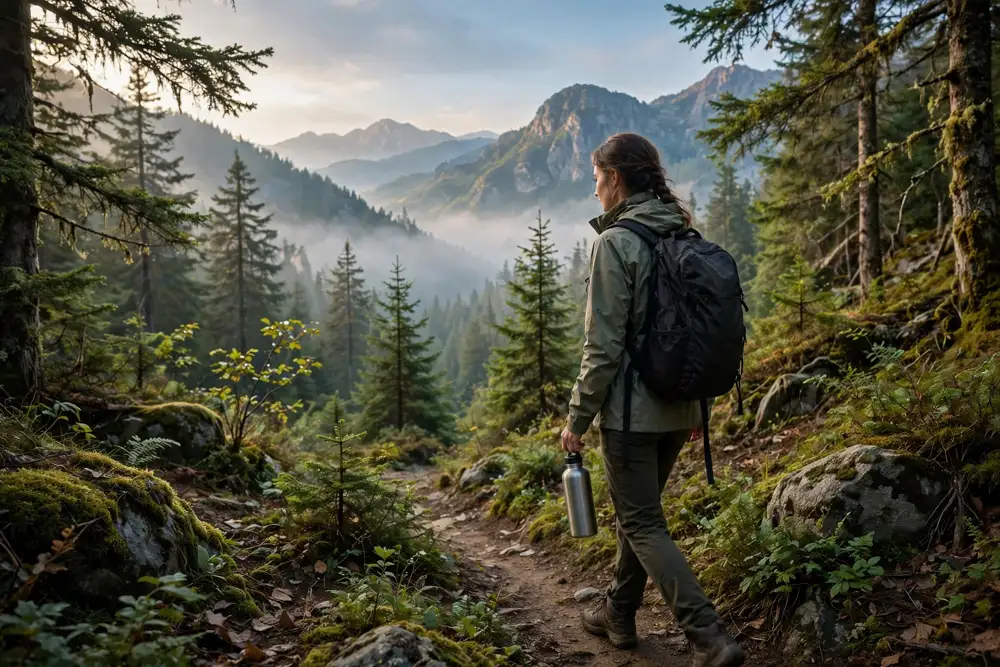
Eco-friendly travel is no longer a niche interest. As more people explore the world, the impact of tourism on the places visited, from crowded cities to fragile natural sites, has become impossible to ignore. Travelling sustainably does not mean giving up comfort or adventure. It means making choices that reduce harm and, where possible, benefit the places and people you visit. This guide covers eco-friendly travel in practical terms: transport, accommodation, behaviour, and mindset, so your trips leave a lighter footprint and a better impression.
Choose Transport Thoughtfully
Transport is usually the largest part of a trip’s environmental footprint, so it deserves the most thought. Trains and coaches beat short flights wherever they are practical, and they often show you more of a country along the way. When flying is necessary, choose direct flights where possible, pack light to reduce weight, and consider recognised offset programmes, while remembering that offsets are a partial measure, not a free pass. Once at your destination, walking, cycling, and public transport beat taxis and rental cars for both footprint and experience.
Road trips can also be done more sustainably, by travelling with others, choosing efficient routes, and favouring smaller, well-maintained vehicles. The most scenic road trips around the world show how a route itself can be the adventure, and travelling slowly along one route, rather than rushing between many, usually means both a smaller footprint and a richer trip. The principle is simple: fewer, longer, slower journeys beat many short, fast ones.
Stay and Spend Locally
Where you stay and spend matters as much as how you travel. Locally owned guesthouses, family-run restaurants, and independent guides keep money in the community you are visiting, while large international chains often send profits elsewhere. Ask about a place’s environmental practices, such as water saving, waste sorting, and energy use, and favour those that take them seriously. Small choices add up: reusing towels, refusing single-use plastics, and carrying a reusable bottle, bag, and cutlery set.
Purposeful travel takes this further. Eco-tourism: travelling with a purpose shows how trips designed around conservation, community, and learning benefit both traveller and destination. Visiting a nature reserve with a local guide, for example, supports conservation directly, while buying crafts from their makers supports livelihoods. Sustainable travel is not about sacrifice. It is about spending in ways that match your values, and discovering that those choices usually make the trip better, not worse.
Respect Nature and Local Culture
The simplest rule of eco-friendly travel is to leave places as you found them, or better. Stay on marked trails, do not disturb wildlife, and take nothing from natural sites except photographs. Nature photography tips show how to capture natural beauty without harming it, and the same respect applies everywhere: observe, appreciate, and leave no trace. In busy natural areas, visiting at quieter times reduces pressure on both the place and your own experience.
Cultural respect matters just as much. Learn a few phrases in the local language, dress appropriately for local customs, and ask before photographing people. Adventure is part of travel’s joy, and adventure destinations for thrill seekers show how excitement and respect can go together, when activities are chosen with care for both safety and surroundings. Travelling sustainably also means travelling mindfully: slowing down, paying attention, and remembering that you are a guest. A focused, unhurried approach to travel, much like improving focus and productivity at home, leads to deeper experiences and better decisions. Travel lightly, travel kindly, and the places you love will stay worth returning to.
Pack Light, Travel Light
Packing light is one of the simplest eco-friendly travel choices, and it makes every part of a trip easier. A single bag you can carry comfortably means no checked luggage, faster movement through stations and airports, and less fuel used to transport your belongings. Choose versatile clothing that mixes and matches, pack only what you will genuinely use, and leave “just in case” items at home. Most travellers use far less than they pack, and the freedom of moving light quickly becomes addictive.
Packing light also means packing reusably: a water bottle, a cloth bag, a set of cutlery, and a small container replace dozens of single-use items over a trip. Choose solid toiletries, such as shampoo bars, which last longer and avoid plastic bottles. These small items weigh almost nothing and prevent a surprising amount of waste. Travelling light is not about deprivation. It is about carrying what serves you and leaving the rest behind, which is a good philosophy for travel generally.
Slow Travel: Fewer Places, Deeper Trips
Slow travel is the single most powerful idea in eco-friendly travel: visit fewer places, stay longer, and experience each one more deeply. A trip that rushes through five cities in a week produces more transport emissions, more superficial impressions, and more exhaustion than a trip that spends the same week in one place, learning its rhythms, meeting its people, and discovering its hidden corners. Slow travel is also usually cheaper, because longer stays often mean better accommodation rates and less spending on transport between places.
Slowing down changes how you see a destination. Instead of ticking off famous sights, you notice markets, neighbourhoods, and daily life, and you form a genuine connection with the place. That connection, in turn, makes you care more about its future, which is the heart of sustainable travel. Try it on your next trip: choose one base, explore it thoroughly, and resist the urge to add “just one more” destination. You will return with better stories, better photographs, and a smaller footprint, and you will probably enjoy the trip far more.