

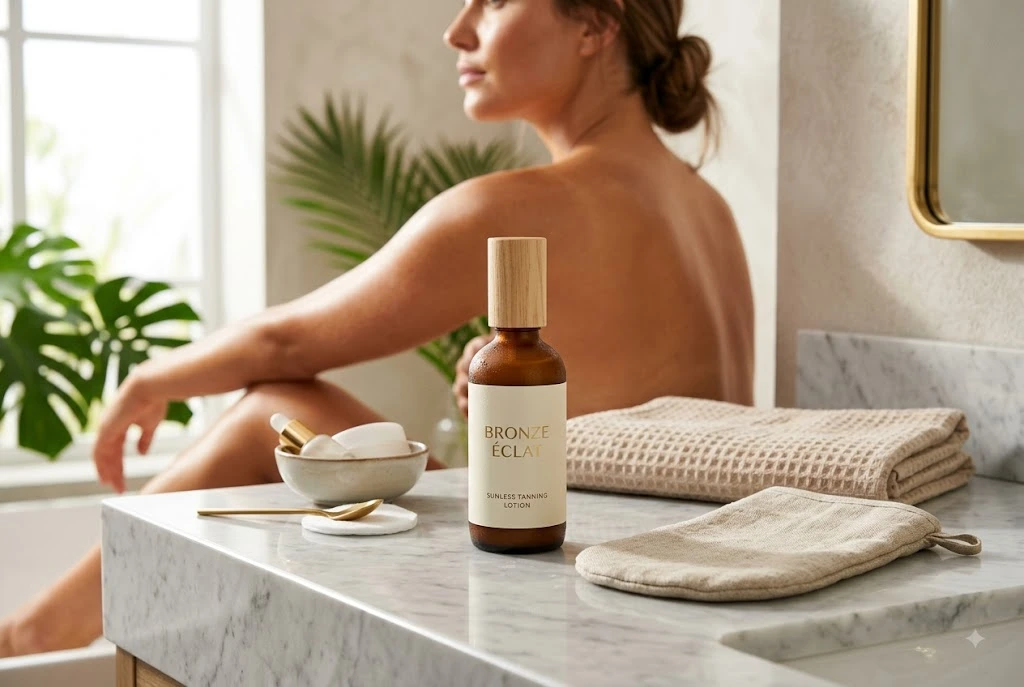
However, tanning lotions are not all the same. Some formulas are designed as intensifiers, while others contain bronzers or DHA that can add or deepen visible color. Understanding what a product is designed to do, how to apply it, and what it does not protect you from is important before using it.
This guide explores Swedish Beauty tanning lotion, common tanning formula types, application tips, ways to achieve a more even-looking glow, and important safety considerations for anyone interested in a bronzed appearance.
What Is Swedish Beauty Tanning Lotion?
Swedish Beauty is a brand associated with indoor tanning lotions and related tanning products. Different products within the range may be formulated for different tanning goals, including moisturizing, intensifying color, or adding a bronzed appearance.
Because formulas can differ considerably, the individual product label should always be treated as the most reliable source for ingredients, directions, intended use, and warnings.
Some tanning lotions are designed specifically for use with indoor tanning, while other products are intended to create a tan-like appearance without intentional UV exposure. Understanding this distinction is important before applying any tanning product.
Why Do People Use Tanning Lotion?
Tanning lotions can serve different purposes depending on their formulation. Some focus primarily on moisturizing and conditioning the skin, while others are intended to enhance or deepen the appearance of a tan.
A formula may contain cosmetic bronzers that temporarily add color, DHA that develops color over time, or moisturizing ingredients designed to improve the feel and appearance of the skin.
However, a cosmetic tanning lotion should not automatically be considered sun protection. The FDA advises consumers to check tanning-product labels carefully to determine whether a product provides protection against UV radiation.
If maintaining healthy-looking skin is also part of your beauty routine, you can explore this guide to moisturizer and effortless hydration for another FreshDell skincare resource.
Different Types of Tanning Formulas
Understanding common tanning-lotion terminology can make it easier to determine which type of product matches your preferred result.
Intensifiers
Intensifiers are generally designed to support the appearance of a developing tan without relying primarily on an added cosmetic bronzer.
They may emphasize moisturizing and conditioning ingredients while allowing the tanning process to develop more gradually.
If you prefer a less immediate cosmetic effect, an intensifier may be worth considering, depending on the exact formula.
Bronzers
Bronzing lotions are designed to provide visible color. Some rely on cosmetic bronzers that produce a more immediate effect, while others combine bronzers with DHA for color that can continue developing after application.
FDA guidance explains that bronzers can produce a temporary tanned appearance, while DHA can darken the outer surface of the skin through a chemical reaction.
DHA-Based Products
DHA, or dihydroxyacetone, is a color additive used in sunless tanning products. It reacts with amino acids in the outer layers of the skin to create a temporary brown appearance.
Because DHA-based color develops over time, application technique can influence how even the final result appears.
Tingle Formulas
Some tanning products are formulated to create a warming or tingling sensation. These products may not be suitable for everyone, particularly people who are sensitive to certain cosmetic ingredients.
A stronger tingling sensation should not automatically be interpreted as proof that a tanning product is producing a better result. Follow the specific product instructions and stop using a product if significant irritation develops.
How to Apply Tanning Lotion for an Even-Looking Result
Application instructions depend on the exact formula, so always follow the directions provided on the product packaging. For bronzing or sunless products, careful preparation and application can help create a more consistent cosmetic result.
1. Start With Clean Skin
Clean, dry skin provides a more consistent surface for applying a tanning product. Remove products that could interfere with an even layer of lotion.
2. Exfoliate Beforehand
Gentle exfoliation can help remove loose dead skin cells and create a smoother surface before using a self-tanning product.
Pay particular attention to areas that tend to become dry or rough, including the elbows, knees, and ankles.
3. Apply in Sections
Instead of applying the product randomly across your body, work systematically in sections. This makes it easier to distribute the lotion evenly and reduces the chance of missing areas.
The American Academy of Dermatology recommends applying self-tanner in sections and massaging it into the skin using circular motions.
4. Use Less Product on Dry Areas
Elbows, knees, ankles, and other dry areas can absorb self-tanning products differently from smoother areas of skin.
Using a lighter application around joints can help create a more natural-looking transition.
5. Wash Your Hands
Wash your hands thoroughly after applying a DHA-containing product, following the product directions. This helps reduce unwanted color buildup on the palms.
6. Allow the Product to Develop
If the formula contains DHA, the color may continue developing after application. Give the product the recommended development time instead of applying additional layers too quickly.
How to Get a More Even-Looking Glow
A smooth-looking result is often more dependent on preparation and application technique than simply using more product.
- Exfoliate appropriately: Prepare the skin before applying a DHA or bronzing product.
- Dry your skin: Apply self-tanning products to clean, dry skin.
- Work in sections: Apply the product systematically rather than randomly.
- Blend carefully: Pay attention to wrists, ankles, knees, and elbows.
- Wash your hands: Clean your hands after each section when using self-tanner.
- Give the product time: Allow color to develop according to the label.
- Follow product-specific instructions: Formulas vary, so avoid assuming that every tanning lotion works the same way.
Swedish Beauty Tanning Lotion and Skin Moisture
Moisturizing can be particularly helpful when working with tanning products because dry or flaky skin can make cosmetic color appear less even.
Look at the ingredient list of the specific Swedish Beauty product you are considering rather than assuming that every product in the range contains the same ingredients.
If your skincare routine includes hydration-focused products, you can also read FreshDell’s guide to effortless skin hydration and moisturizer use.
Is Tanning Lotion the Same as Self-Tanner?
Not necessarily. The terms can describe different types of products and different intended uses.
Some tanning-bed lotions are designed to be used during indoor UV tanning sessions and may contain ingredients intended to condition the skin or enhance the appearance of a tan.
Sunless self-tanners, on the other hand, are designed to create a tan-like appearance without requiring intentional UV exposure. Many use DHA to darken the outermost layers of the skin temporarily.
This distinction matters because using a cosmetic tanning product does not make UV exposure safe.
Does Swedish Beauty Tanning Lotion Protect Against UV Rays?
Do not assume that it does.
A tanning lotion is not automatically sunscreen. Products that do not contain sunscreen ingredients do not protect the skin from sunburn or UV damage. FDA guidance specifically encourages consumers to read tanning-product labels carefully to determine whether UV protection is provided.
If you are outdoors, use a sunscreen specifically labeled for UV protection rather than relying on tanning lotion.
The American Academy of Dermatology recommends sunscreen offering broad-spectrum protection, SPF 30 or higher, and water resistance.
Indoor Tanning and Important Safety Considerations
Anyone considering an indoor tanning lotion should understand that the lotion itself does not eliminate the risks associated with UV exposure.
The FDA states that UV radiation from tanning devices can cause skin cancer, burns, premature skin aging, and eye damage.
The American Academy of Dermatology also recommends avoiding tanning beds and notes that UV exposure from tanning beds can increase the risk of skin cancer and premature skin aging.
If your primary goal is simply to achieve a bronzed appearance, a sunless self-tanning product can provide an alternative without intentional UV exposure. The AAD recommends continuing to use sunscreen even when using a self-tanner because self-tanning color does not protect the skin from UV radiation.
Who Should Be Especially Careful With Tanning Products?
Anyone with a history of cosmetic reactions, allergies, unusual skin sensitivity, or an existing skin concern should take extra care when trying a new tanning product.
Review the full ingredient list and follow the manufacturer’s directions. If you have concerns about whether a product is appropriate for your skin, consider speaking with a qualified healthcare professional.
Do not apply tanning products to irritated, broken, or damaged skin unless a healthcare professional specifically advises you to do so.
Common Tanning Lotion Mistakes to Avoid
Applying Too Much Product
More lotion does not necessarily produce a better result. Excess product can create uneven color and increase the likelihood of transfer onto clothing or bedding.
Skipping Skin Preparation
Applying a bronzer or self-tanner over very dry or flaky skin can make uneven areas more noticeable.
Forgetting Your Hands
Hands can accumulate tanning product quickly. Wash them thoroughly after application according to the product directions.
Ignoring Joints
Knees, elbows, ankles, and wrists can develop darker-looking patches when too much product collects in these areas.
Assuming a Tan Equals Sun Protection
A visible tan does not mean that your skin is protected from UV damage. The FDA describes tanning as a response to UV exposure and warns about the associated risks.
Using an Old or Altered Product
Cosmetic formulas can change in smell, color, texture, or consistency over time. Check the packaging and manufacturer’s guidance before using an old product.
How to Choose the Right Tanning Formula
The best choice depends on the result you want and the exact formula available.
If You Want a Gradual Approach
An intensifier may be worth considering if you prefer a formula that does not rely primarily on an immediate cosmetic bronzer.
If You Want Visible Color
A bronzer may provide a more noticeable cosmetic effect. Some formulas provide immediate cosmetic color, while DHA-containing products can continue developing color after application.
If You Prefer a Sunless Approach
Look for a product specifically designed for sunless tanning rather than assuming that an indoor tanning lotion is suitable for the same purpose.
If You Have Sensitive Skin
Pay close attention to fragrance, bronzing ingredients, and other components that may cause irritation. Review the ingredient list before applying the product broadly.
How Long Does a Tanning Lotion Result Last?
There is no universal answer because results depend on the formulation, skin characteristics, washing routine, exfoliation, and whether the product contains a temporary bronzer or DHA.
Temporary cosmetic bronzers can fade as they are washed away. DHA-based color can last longer but gradually fades as the outermost skin cells naturally shed.
Instead of repeatedly applying large amounts, follow the specific product’s recommended usage instructions.
Can You Use Tanning Lotion Outdoors?
That depends on the specific product, but you should never assume that an indoor tanning lotion is suitable for outdoor sun exposure or that it provides sunscreen protection.
If you are spending time outdoors, use a sunscreen specifically labeled for UV protection. FDA guidance recommends checking the product label to determine whether a tanning preparation contains sunscreen.
Swedish Beauty Tanning Lotion: What to Check on the Label
Before purchasing or applying a tanning product, look beyond the brand name. The individual product label provides the most useful information about how the formula is intended to be used.
- Product type: Determine whether it is an intensifier, bronzer, DHA product, tingle formula, or another type.
- Directions: Follow the manufacturer’s recommended application method.
- Ingredients: Review the full ingredient list, especially if you have known sensitivities.
- UV protection: Do not assume protection unless the product specifically states that it provides it.
- Intended use: Check whether the product is intended for indoor tanning, sunless use, or another purpose.
- Warnings: Read all safety and usage warnings before applying the product.
How Tanning Products Fit Into a Beauty Routine
A tanning product can be one part of a broader beauty routine rather than the only styling element.
Hydrated skin, careful product application, appropriate sun protection, and clothing choices can all contribute to an overall polished appearance.
If you enjoy using beauty products to complement your personal style, FreshDell also covers beauty wigs and ways to elevate your overall look.
Accessories can also change the way a bronzed complexion works with an outfit. Explore accessories that can elevate your outfit for ideas involving jewelry, sunglasses, scarves, handbags, and other styling details.
Frequently Asked Questions
What is Swedish Beauty tanning lotion used for?
Swedish Beauty is associated with tanning lotions designed for different purposes, including intensifying, bronzing, moisturizing, and other tanning-related applications. The exact purpose depends on the individual formula.
Does Swedish Beauty tanning lotion make you tan faster?
Some formulas are designed to enhance or deepen the appearance of a tan, but results vary by product and individual. Bronzing products can provide cosmetic color, while DHA can develop color after application.
Does tanning lotion contain sunscreen?
Not necessarily. Tanning lotions should not be assumed to provide UV protection. Check the specific product label and use a properly labeled sunscreen when UV protection is needed.
Is Swedish Beauty tanning lotion a self-tanner?
Not every Swedish Beauty product should be treated as a sunless self-tanner. Product types and intended uses vary, so check the specific formula before applying it.
Can I use tanning lotion if I have sensitive skin?
Check the ingredients carefully and consider speaking with a dermatologist if you have a history of reactions or significant skin sensitivity. Stop using the product if you develop significant irritation.
Is indoor tanning safe when using tanning lotion?
No tanning lotion eliminates the risks associated with UV exposure from tanning beds. The FDA and American Academy of Dermatology warn about the health risks associated with indoor UV tanning.
What is a safer way to achieve a bronzed appearance?
If your goal is cosmetic color rather than UV exposure, a sunless self-tanning product is an option. The American Academy of Dermatology recommends continuing to use sunscreen because a cosmetic tan does not provide adequate UV protection.
Final Thoughts
Swedish Beauty tanning lotion represents a range of tanning-related products rather than one universal formula. Depending on the individual product, it may be designed to moisturize, intensify the appearance of a tan, provide cosmetic bronzing, or support another tanning-related goal.
The most important step is to understand exactly which formula you are using. Read the label, follow the application directions, review the ingredients, and never assume that a tanning lotion provides UV protection unless the product specifically says so.
If your goal is simply a beautiful bronzed appearance, remember that intentional UV exposure is not required to achieve cosmetic color. Sunless tanning products can create a tan-like appearance without tanning beds, while daily sun protection remains important for maintaining healthy-looking skin.
For the best overall result, focus on even application, proper skin preparation, appropriate hydration, and responsible sun protection. A thoughtful approach can help you achieve the cosmetic glow you want while making informed choices about the products you use.